What Are the Two Categories of Tinnitus?
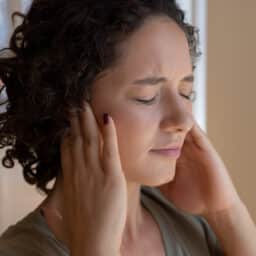
Hearing a ringing, pulsing or buzzing in your ears that comes out of nowhere is a surprising and occasionally annoying phenomenon. The symptom, called tinnitus, falls into one of two categories: objective or subjective. Let’s look at each of those categories. Objective Tinnitus Objective tinnitus is very rare, only accounting for 1% of cases.[1] This…
How Cognitive Behavioral Therapy Helps Manage Tinnitus

Surveys estimate that between 10% and 25% of adults[1] experience tinnitus—the internal ringing or buzzing in the ears. We consider any tinnitus lasting longer than three months to be chronic. If you’re experiencing chronic tinnitus, there are a few options available to help you manage it. One option many turn to is cognitive behavioral therapy…
How To Manage Stress-Related Tinnitus During the Holidays

Tinnitus, a ringing or buzzing in the ears, affects 10 to 25% of adults. If you’ve been living with tinnitus for a while, you may have noticed that its severity ebbs and flows. Different people have different things that can cause a flare-up, but one common trigger is stress. What’s the Relationship Between Stress and…
How Have Hearing Aids Improved Over the Years?
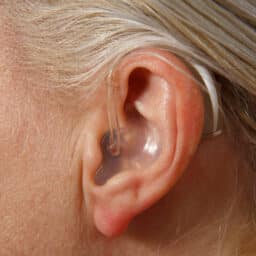
Did you know that of U.S. adults aged 20-64 who need hearing aids, only 16% wear them? Although hearing aids bring easier communication, many patients avoid wearing them because they’re picturing the bulky hearing aids of the past. Let’s take a look at how hearing aids have advanced into the sleek, modern devices we have…
How To Protect Your Hearing This 4th of July

The 4th of July is right around the corner. Whether you head to a big fireworks show in Nara Park or set off a few sparklers and small poppers in your neighborhood, it’s crucial to implement hearing protection practices. How Do We Hear? When you hear noise, like traffic or conversation, the sound travels through…
How to Manage Somatic Tinnitus: Tips and Techniques
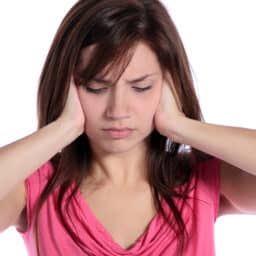
Approximately 10%-17% of the global population live with tinnitus. Of those people, 65% have tinnitus influenced by the somatosensory system. The somatosensory system is responsible for perceiving touch, pressure, pain, temperature and position of the body. Unlike other forms of tinnitus ringing, which may arise from caffeine, stress, loud noise exposure and other sources, somatic…
What Tools Can You Use To Improve Your Life With Tinnitus?

Tinnitus is a condition characterized by a ringing or buzzing in the ear that cannot be heard from the outside. In the United States alone, tinnitus affects over 50 million people. Tinnitus often arises from underlying conditions such as hearing loss, ear infections or head and neck injuries. In some cases, it can be a…
How Do Hearing Aids Help When You’re Alone?

In 2019, 7.1% of adults aged 45 and over used a hearing aid. Ease of communication is the most frequently discussed benefit of wearing hearing aids, and it is undoubtedly one of the most helpful. When thinking about benefits, it is easy to overlook the ways in which hearing aids can help you when you’re…
Why Do Hearing Loss & Tinnitus Sometimes Occur During Pregnancy?

Although pregnancy is often an exciting time, the side effects can be exhausting. Not only can you feel fatigued, swollen and nauseous, but you may also experience hearing loss and tinnitus (ringing or other phantom noise in the ears). Tinnitus, in particular, affects about one in three pregnant women, compared to one in 10 women…
Could Your Exercise Routine Cause Hearing Loss or Tinnitus?

Is there any better feeling than wrapping up a workout at Skill of Strength? While there’s no doubt exercise is great for your body and mind, if you’re not careful, your routine could be harming your hearing. We review how this happens and how to keep your ears safe below. Heavy Lifting When exerting yourself…