Why Do My Ears Ring After I Work Out?

According to the American Heart Association, adults need at least 150 minutes of moderate-intensity physical activity and two days of muscle-strengthening activity each week. When you exercise, you likely make a point to do so safely to avoid certain side effects; you practice good form while lifting weights, don’t run so far that you hurt…
Selecting the Right Accessories for Your Hearing Aids

Hearing aids can make conversations clearer, reduce listening fatigue and help you stay connected to the people in your life. According to the National Institute on Deafness and Other Communication Disorders, nearly 29 million adults in the United States could benefit from these helpful devices.[1] If you’ve recently started wearing hearing aids, you may be…
Why Do My Hearing Aids Sound Tinny?
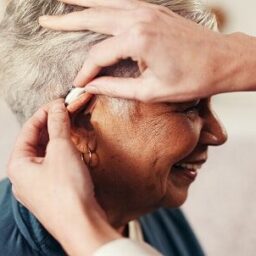
An estimated 28.8 million U.S. adults[1] could benefit from the amplified speech hearing aids provide. People new to hearing aids often describe the sound as tinny or metallic. Luckily, that sound is usually temporary. What Causes a Tinny Sound? Speech or other noises sounding tinny is often just your ears getting used to the new…
What To Know About Starting College With Hearing Loss

Going to college is a fun adventure, whether you’re staying close to Chelmsford or going to a school out of state. If you’re among the 15% of U.S. adults with hearing loss,[1] there are a few extra things to consider before you start classes to ensure a successful college experience. 1. Schedule a Hearing Aid…
What Are the Two Categories of Tinnitus?
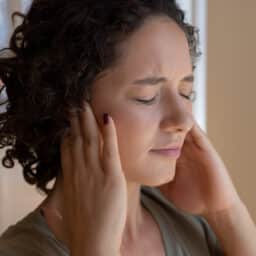
Hearing a ringing, pulsing or buzzing in your ears that comes out of nowhere is a surprising and occasionally annoying phenomenon. The symptom, called tinnitus, falls into one of two categories: objective or subjective. Let’s look at each of those categories. Objective Tinnitus Objective tinnitus is very rare, only accounting for 1% of cases.[1] This…
The Ins and Outs of Summer Hearing Aid Care

According to the National Institute on Deafness and Other Communication Disorders, hearing aids could benefit as many as 28.8 million U.S. adults.[1] Your hearing aids are helpful tools that help you connect to the people in your life. Proper care through the changing seasons will ensure you get the greatest possible benefits from your devices….
How To Navigate a Noisy Workplace When You Have Hearing Loss

When you live with hearing loss, noisy environments can present frustrating communication challenges. If you work in one of those noisy environments, you need to find ways to manage your hearing loss and improve communication ease for greater workplace success. Let’s take a look at four communication strategies you can employ in the workplace and…
Can You Wear Hearing Aids in the Pool?

It’s summertime, and that means the air is sweltering and a dip in the pool sounds more refreshing than ever. If you wear hearing aids, your pool days need to include a few safety precautions to protect your devices. Those precautions will vary depending on how water-resistant or waterproof your hearing aids are. How We…
Why You Should Monitor Your Hearing During Chemotherapy

Chemotherapy is a difficult treatment to undergo. While the treatment has significant benefits, the largest of which is its potential to be life-saving, it isn’t without its side effects. One lesser-known side effect of chemotherapy drugs is hearing damage. How Chemotherapy Drugs Affect the Auditory System Chemotherapy drugs fall under the banner of ototoxic medication—any…
How To Stay Safe When Driving With Hearing Loss

Whether you have a fancy sports car with a convertible roof or an old clunker that’s held together by duct tape and hope, driving is a pretty fun way to get around Chelmsford. If you have hearing loss, you will need to take a few extra precautions when you’re behind the wheel. Let’s look at…